Pre-Purchase Car Inspection: Cost, Checks and Booking
Pre-purchase car inspection guide: compare quotes, confirm the checks, choose mobile or shop service, and read the report before buying a used car.
Sections7
- What a pre-purchase car inspection includes
- Pre-purchase inspection cost: compare the scope, then the fee
- Mobile inspection or a shop with a lift?
- How to book a pre-purchase car inspection
- How to read the inspection report
- Inspection, history report and safety check: different jobs
- Pre-purchase car inspection verdict
A pre-purchase car inspection is a check by an independent mechanic before you buy a used car. Get a quote for the car you found, confirm the checks included, and wait for the written report. It is worth doing on the car you want, even if a dealer calls it certified.
Start with your own walk-around and a safe road test. Then book a mechanic you chose to check the car that still fits. Ask for a lift check, fault scan and road test where possible. Get the report, limits and repair estimates in writing. A history report or dealer warranty won't replace that work, and no inspection can promise a fault-free car.
What a pre-purchase car inspection includes
There is no single package that every shop sells. Ask for its list before you pay. Common checks cover:
- Body and frame: visible crash repairs, rust and signs of water damage.
- Engine and gearbox: leaks, unusual sounds and how the car runs.
- Brakes and tires: wear and the condition of parts the mechanic can reach.
- Steering and suspension: loose or worn parts, mounts and wheel bearings.
- Cabin and controls: seat belts, lights, windows, heating and air conditioning.
- Fault scan: stored codes and whether the car's built-in checks have run.
- Road test: starting, shifting, braking and running at normal road speeds.
- Written report: findings, photos where offered and checks not completed.
For example, RAC's inspection comparison separates checks by package. Its list includes hot restarting, road behavior and a final leak check. It also qualifies some checks by access or operating temperature. Use that as a prompt to ask questions, not a promise about a local shop.
Take your used car inspection checklist to the shop. Tell the mechanic what you saw. A tire worn on one edge or a light that stayed on is worth recording, even if you don't know the cause.
Tests to ask about before you book
Ask whether the fee includes a lift and a scan. If you need an engine compression test, a cooling-system pressure test or a hybrid battery check, ask for that by name. Get the cost and scope agreed first. Don't assume a long checklist includes every test.
A scan reads the car's stored faults. It isn't proof that every part works, and an inspection usually doesn't involve taking the engine apart. Ask the shop what it can check on this model and what will remain unknown.
Pre-purchase inspection cost: compare the scope, then the fee
Get a local quote for the exact make, model and year. Ask what the fee covers and whether travel or extra tests cost more. Two quotes only make sense side by side if they cover the same work.
Consumer Reports' guide, updated March 20, 2026, cites $100 to $150 for a mechanic's inspection. That is one published example. It isn't a guaranteed price for a mobile visit, a specialist car or your area. Use the quote from the shop you book as your budget.
Ask these questions:
- What is included? Request the check list and the total fee in writing.
- What needs an extra test? Tell the shop about warning lights or noises before it quotes.
- How will you get access? Ask whether the car goes on a lift and who brings it in.
- When will I get the report? Don't set a purchase deadline before you know.
- What if the seller cancels? Read the provider's cancellation terms before paying.
The cheapest quote can still be the wrong one if it leaves your main concern unchecked. Pay for the work you need, rather than the largest advertised count of inspection points.
Mobile inspection or a shop with a lift?
A mobile inspector goes to the seller. That can suit an out-of-state purchase or a dealer who won't let the car leave the lot. Ask how the inspector checks underneath and whether the car can be driven. A driveway visit doesn't promise lift access.
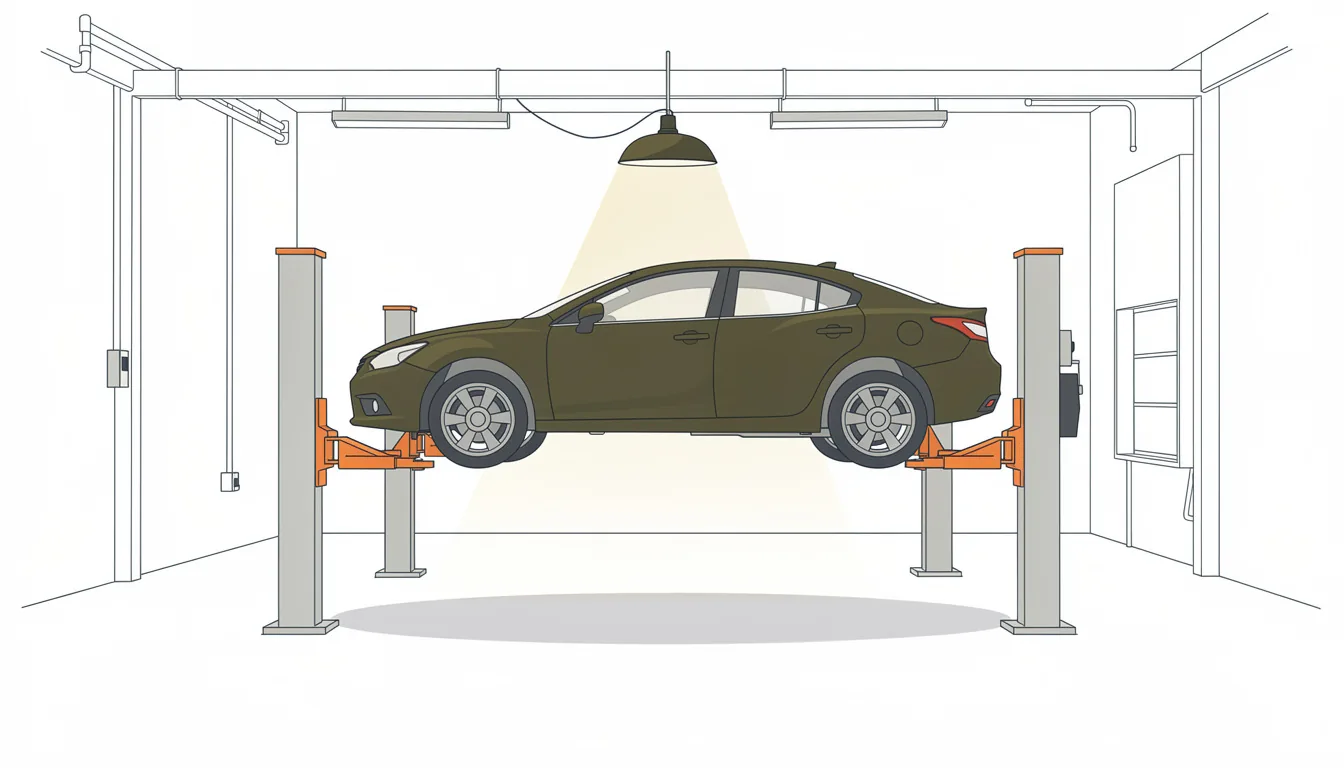
A shop visit gives the mechanic access to its own tools. Ask whether the appointment includes a lift check; don't assume it does. Agree with the seller who moves the car and confirm permission and insurance before anyone drives it there.
For remote buying, send the VIN, location and seller's contact details to the inspector. Have the report sent directly to you. Ask for photos of concerns and a call to explain anything unclear. You may need a second shop visit if the mobile report leaves an area untested.
How to book a pre-purchase car inspection
- Shortlist one car. Work through the full used car checklist. Check the paperwork before paying for a mechanic.
- Drive it if safe and permitted. Use the test-drive checklist and record any symptoms for the shop.
- Choose an independent shop. Ask whether it knows this model and has any ties to the seller.
- Agree on access. Get the seller's permission, the appointment and the travel plan confirmed.
- Set the scope. Send your concerns, confirm the tests and agree on the fee.
- Wait for the report. Read it and speak to the mechanic before you decide on the car.
If the dealer won't let you take the car away, ask about a mobile visit or a trip arranged by the dealer to your chosen shop. If no independent check is allowed, stop that purchase. The FTC describes these options.
When the road check is limited, tell the shop exactly what is missing. Use the test-drive record sheet to separate a test you completed from one you could not do.
How to read the inspection report
Read the limits before the score or the list of passed items. A car that wasn't road tested hasn't passed a road test. A brake part that couldn't be seen hasn't been measured. Ask for a follow-up if an unchecked item matters to your decision.
Check the report against the car's VIN and mileage. For each fault, ask for the location, what was observed and what test confirmed it. Keep photos with the report. A phrase such as "oil leak" needs more detail before it becomes a repair estimate.
Split the findings into three groups:
- Stop the purchase or drive: unresolved title trouble or a fault the mechanic says makes the car unsafe.
- Get a diagnosis: a symptom whose cause or cost isn't yet known.
- Price the work: a confirmed repair or worn part with a written estimate.
Ask whether each estimate includes parts and labor. Keep overdue service separate from repairs. Compare the total work with your budget, and get any seller-funded repair written into the sale terms. Don't turn an uncertain diagnosis into a firm dollar deduction.
Use the inspection result checklist to compare your own findings with the shop's. For bargaining after that, see how to negotiate car price.
Inspection, history report and safety check: different jobs
Your own checklist finds visible concerns. A vehicle-history report covers recorded events; it may omit unreported damage. A mechanic checks the car's present condition within the agreed scope. A safety inspection may have a narrower list than a buyer's mechanical inspection.
The FTC explains those limits in its used-car guidance. A warranty also has its own exclusions and claims process. None of these documents makes the other checks redundant. Read the terms and ask what remains untested.
Pre-purchase car inspection verdict
Book the inspection on the car you're serious about. Choose the mechanic yourself, agree on the scope and fee, then read the written report before buying. If access is limited or a fault remains unknown, resolve it before you commit.
Get the free printable Used Car Inspection & Buying Checklist to record the curbside checks before the appointment.
CarInspectionChecklist.com does not perform inspections. This is general guidance, not mechanical advice. Use an independent mechanic and read the provider's terms before booking.
This page is one part of Used Car Inspection Checklist: 10 Checks Before You Buy. Work the whole thing in order before you hand over any money.
Quick answers
What does a pre-purchase inspection include?
Ask for the package in writing. Common checks cover the body, tires, brakes, leaks, steering and a road test. A lift, fault scan or battery test may need a separate booking. Ask which checks could not be done, and have those limits listed in the report.
How much does a pre-purchase inspection cost?
Ask a local shop for a quote for the exact car. Consumer Reports cites $100 to $150 for a mechanic's inspection in its March 2026 guide. That is a published example, not a fixed fee. The car, location, access and tests you request will affect your quote.
Can I get a car inspected in another state?
Yes. You can book a shop near the seller or a mobile inspector who travels to the car. Ask who will move the car, whether a road test is possible, and how you will get the report. Wait for the report before you commit to the purchase.
Do certified used cars still need an independent inspection?
The FTC recommends one even if the dealer has certified the car or offers a warranty. The dealer's checks and your mechanic's report serve different purposes. Ask your own mechanic what needs repair, what wasn't tested, and what the repairs may cost before you decide to buy.