How To Inspect A Used Car
To inspect a used car, people usually check the paperwork, walk around the outside, look under the hood, test everything inside, and then take the car for.
Sections7
To inspect a used car, people usually check the paperwork, walk around the outside, look under the hood, test everything inside, and then take the car for a test drive. Many buyers also ask an independent mechanic to look at the car before they agree to buy it. Each step is meant to catch problems that are easy to miss in a quick look, so a careful inspection takes time and works best in daylight on a dry day.
This article explains each part of a used car inspection in plain terms. It covers what people commonly look for, why those things matter, and what signs may point to a bigger issue. A full list of items to check is on the used car inspection checklist, which can be useful to keep open during the visit.
Start With the Paperwork and Vehicle History
Many inspections begin before anyone touches the car. The paperwork can tell a lot about how the car was used and cared for. Buyers often ask to see the title, the registration, and any service records the seller has kept.
The title shows who legally owns the car. People usually check that the name on the title matches the seller. They also look for words that may signal past trouble, such as a salvage or rebuilt label. These labels can mean the car was badly damaged at some point.
The vehicle identification number, often called the VIN, is another key detail. It is a unique code for each car. It usually appears on the dashboard near the windshield and on a sticker inside the driver's door frame. Buyers often compare these with the VIN on the title to make sure they all match. A vehicle history report, which is based on the VIN, may show past accidents, odometer readings, and changes in ownership.
Service records can show whether oil changes and other routine care happened on a regular basis. A car with steady records may have been looked after well, though records alone do not prove the car is in good shape.
Walk Around the Outside
A slow walk around the car can reveal a lot. People often crouch down and look along the sides of the car at an angle. This makes dents, ripples, and uneven spots easier to see. Paint that looks a little different in color from one panel to the next may mean that part was repaired or repainted.
The gaps between panels are also worth a look. These are the small spaces between the doors, the hood, the trunk, and the fenders. If the gaps are wide in one place and tight in another, the car may have been in a crash. Rust is another common concern. Buyers often check the wheel wells, the bottom of the doors, and the area under the car, where rust tends to start.
Tires can tell a story too. Tread that is worn more on one edge than the other can point to alignment or suspension problems. People often check that all four tires match and look for cracks, bulges, or cuts in the sidewalls. Glass is checked for chips and cracks, and all lights are usually turned on to make sure they work, including turn signals and brake lights.
Check Under the Hood
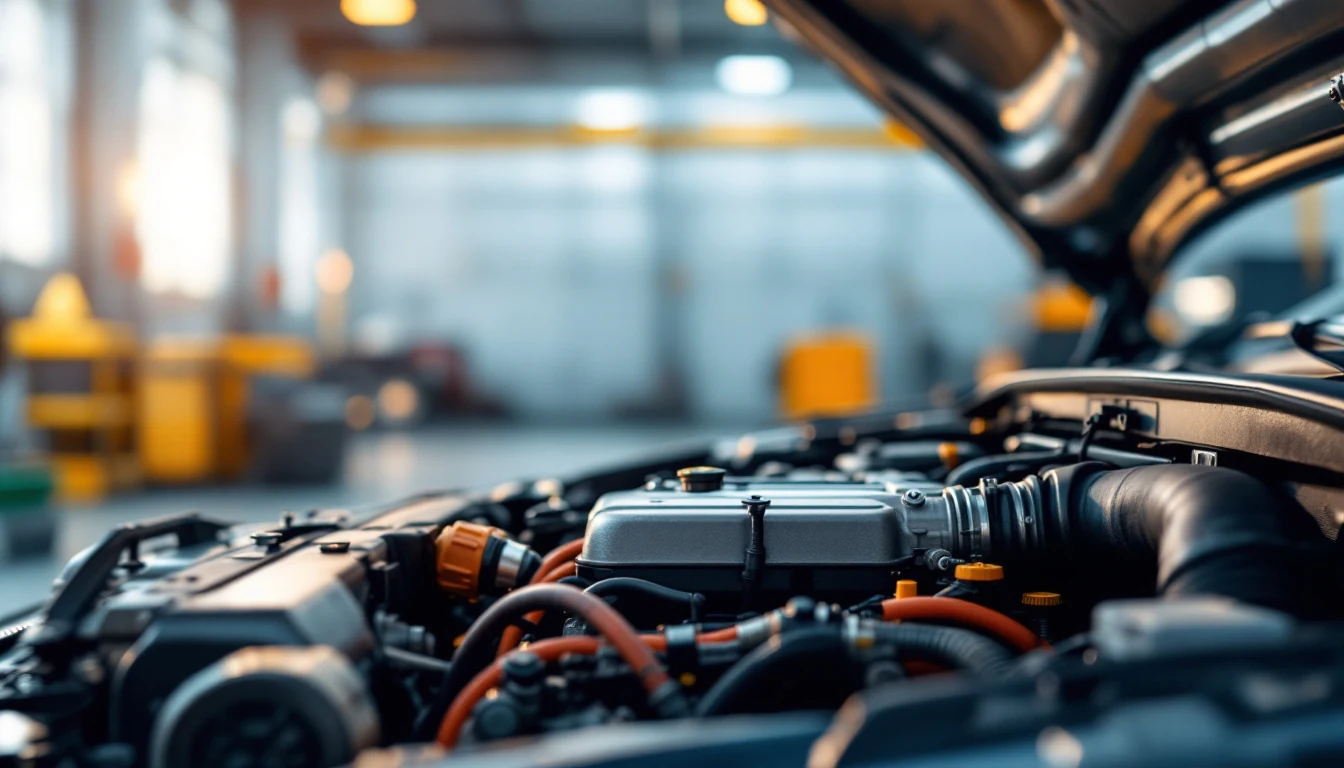
Looking under the hood does not require a lot of car knowledge. Many checks are visual. It is common to inspect the engine when it is cold, since a warm engine can hide starting problems and hot parts can burn skin.
Buyers often pull the oil dipstick to see the oil level and color. Very dark, gritty, or milky oil can be a warning sign. Other fluids, such as coolant, brake fluid, and transmission fluid, are usually checked as well. People also look for wet spots, drips, or crusty buildup around the engine, which can point to leaks.
Belts and hoses are another focus. Rubber parts that look cracked, frayed, swollen, or soft may be close to wearing out. The battery is usually checked for corrosion on the terminals, which often looks like a white or green powder. A very clean engine on an older car is not always a good sign, since some sellers wash the engine to hide leaks.
Look Inside the Cabin
The inside of a car shows how it was treated day to day. People often notice smells first. A musty or moldy smell can point to water getting inside the car. A strong air freshener smell may be covering something else. Buyers sometimes lift floor mats and feel the carpet for dampness.
Seats, the steering wheel, and the pedals show wear over time. Heavy wear on these parts can be compared with the miles shown on the odometer. If a car shows low miles but looks very worn inside, that difference may be worth asking about.
Most buyers test every feature they can reach. This list covers items that are commonly checked:
- Air conditioning and heat at all fan speeds
- Power windows, locks, and mirrors
- Radio, screens, and charging ports
- Seat belts, seat adjustments, and seat heaters if present
- Wipers, washer fluid spray, and the horn
- Dashboard warning lights when the car starts
When the key is turned, warning lights on the dashboard usually light up for a moment and then go off. A light that stays on, such as the check engine light, can signal a problem that needs a closer look.
Take a Test Drive
The test drive is often the most telling part of the inspection. It shows how the car starts, runs, shifts, and stops. Many people try to drive on a mix of roads, such as quiet streets, bumpy roads, and a highway, so they can see how the car acts in different settings.
During the drive, buyers often turn the radio off and listen. Grinding, clunking, squealing, or knocking sounds can point to problems with the brakes, suspension, or engine. The car should speed up smoothly, and the transmission should shift without jerks or delays. A steering wheel that shakes or a car that pulls to one side may point to tire, alignment, or brake issues.
Brakes are usually tested several times. People check whether the pedal feels firm and whether the car stops in a straight line. After the drive, many buyers look under the car again for fresh drips and check for any new smells, such as burning oil or coolant.
Consider an Independent Mechanic Inspection
A personal inspection can catch many visible issues, but some problems are hidden. A pre-purchase inspection by an independent mechanic is designed to look at parts that are hard to see, such as the frame, the exhaust system, and the underside of the car. Mechanics often use a lift and a scan tool that reads stored error codes from the car's computer.
An independent mechanic is someone the buyer chooses, not someone tied to the seller. Many sellers allow this kind of inspection. If a seller refuses, some buyers see that as a reason to be careful. The mechanic's findings can help a buyer understand what repairs may be needed soon. Results and findings differ from car to car.
Having a written list on hand makes it easier to stay organized and avoid skipping steps. For a printable set of checks and future updates on inspecting used cars, readers can sign up through the Car Inspection Checklist homepage. The used car inspection checklist page also groups these steps by area of the car.
Frequently Asked Questions
How long does it take to inspect a used car?
The time depends on the car and how closely it is checked. A careful personal look, plus a test drive, often takes longer than people expect. Rushing can lead to missed problems, so many buyers set aside plenty of time and avoid visiting after dark.
Can someone with no car knowledge inspect a used car?
Yes, many checks are simple and visual, such as looking for rust, uneven paint, worn tires, and warning lights. A written checklist can help a beginner stay on track. For hidden problems, many people rely on an independent mechanic.
What are common warning signs during an inspection?
Common warning signs include a title with a salvage or rebuilt label, VIN numbers that do not match, fluid leaks, milky oil, a musty smell inside, dashboard warning lights that stay on, and strange noises during the test drive. Any one of these can be worth asking the seller about.
Is a vehicle history report enough on its own?
A history report can show past accidents and ownership changes, but it only includes what was reported. Some damage or repairs never appear on these reports. For that reason, many buyers use the report alongside a physical inspection and a test drive.
This page is one part of Used Car Inspection Checklist: 10 Checks Before You Buy. Work the whole thing in order before you hand over any money.